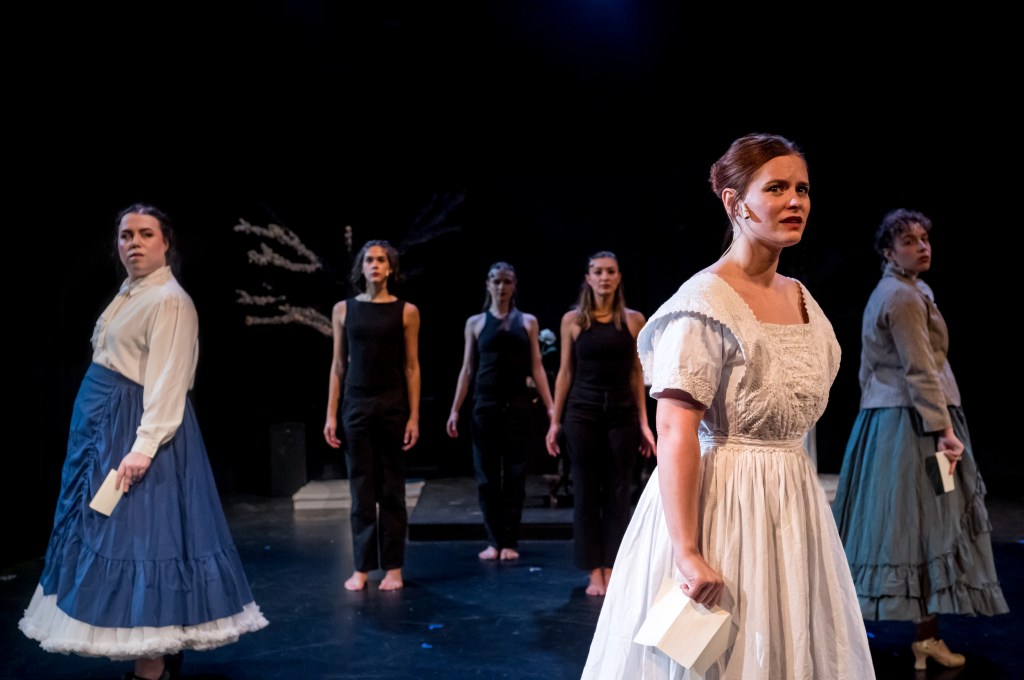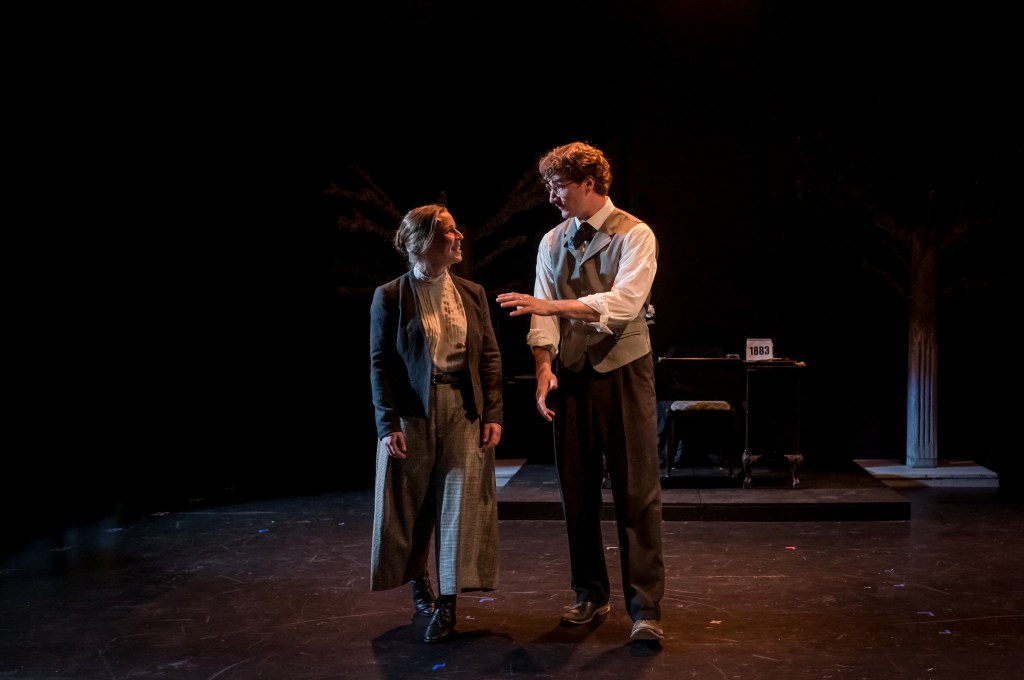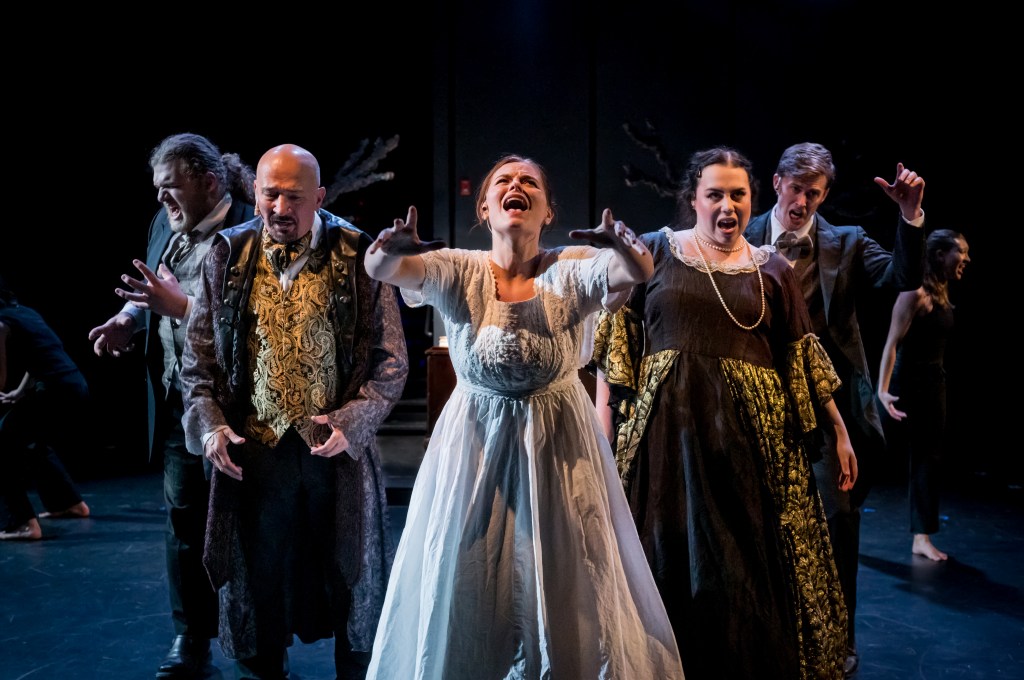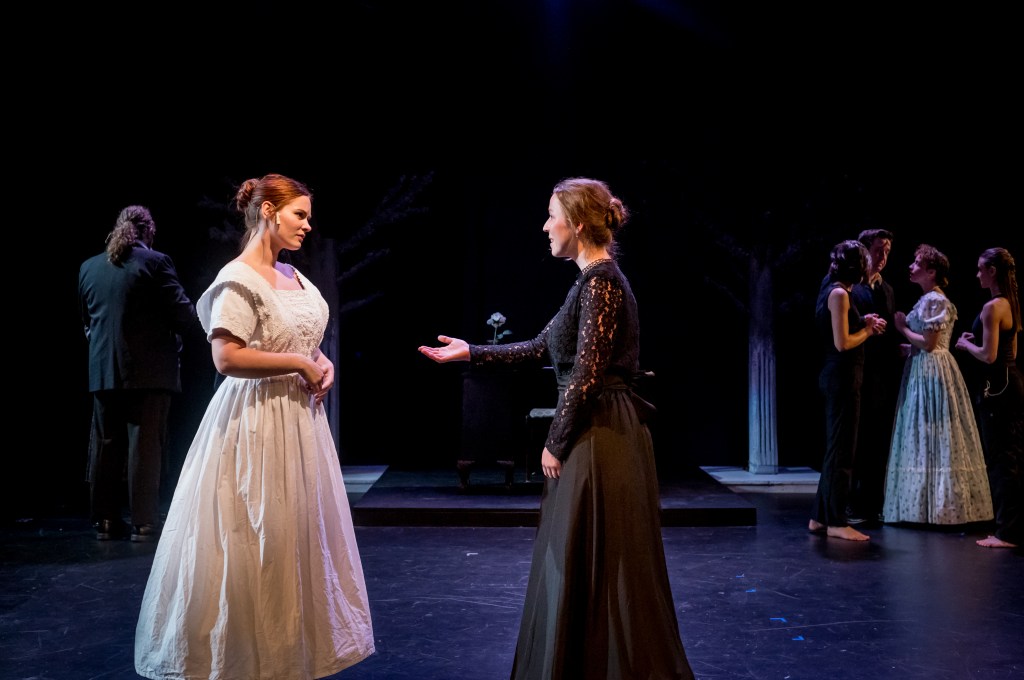
Premiere in New York City!

What a joy it was to witness Nietzsche surge to its feet this past October in an Off-Broadway Theater in New York City!

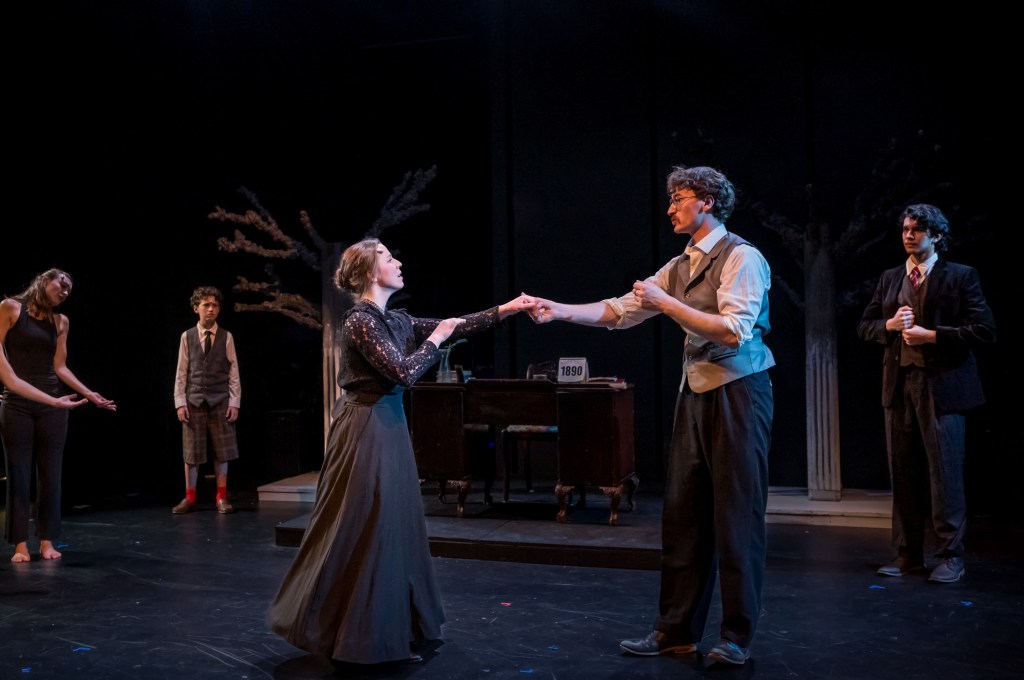
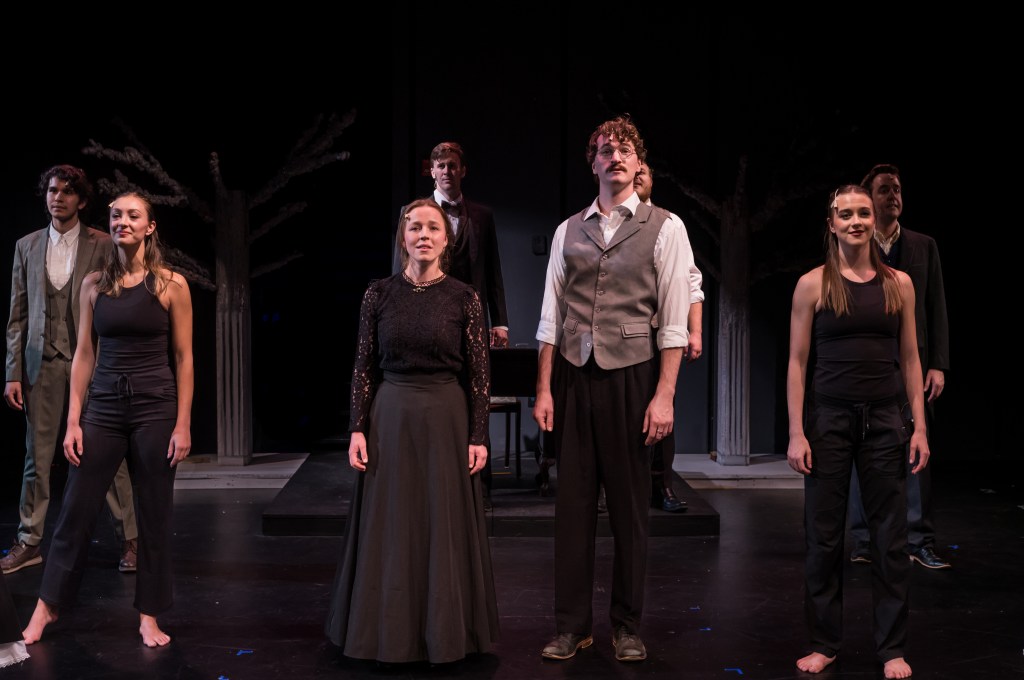
Over 30 artists collaborated to create a “a total artwork on a small scale, as it brought poetry, song, dance and music together” (The Agonist).

All four shows were all (or nearly) sold out, and the audiences were on their feet as soon as the curtain calls began. Geoffrey and I were thrilled and delighted with how the cast came together to bring this story to life, and grateful to Off-Brand Opera for helping it happen.

One pair of reviewers summed up our feeling: “We look forward to a bigger production where more stories from Nietzsche’s life can be included with a bigger ensemble of musicians and a wider stage for dancers’ broader and freer movements” (The Agonist).

Yes, please! Stay tuned.

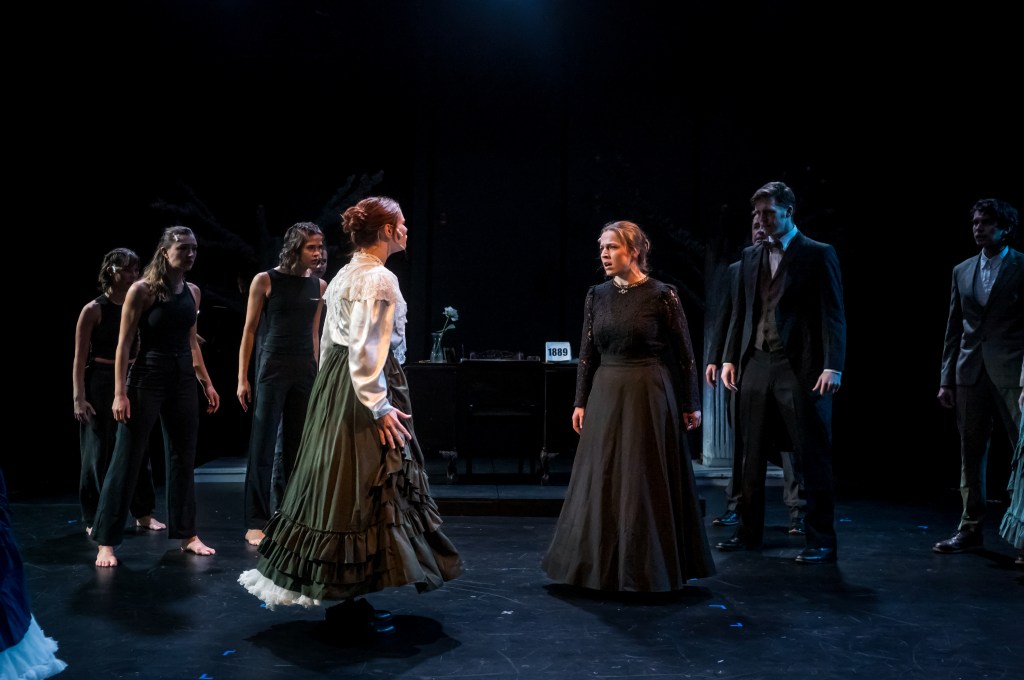
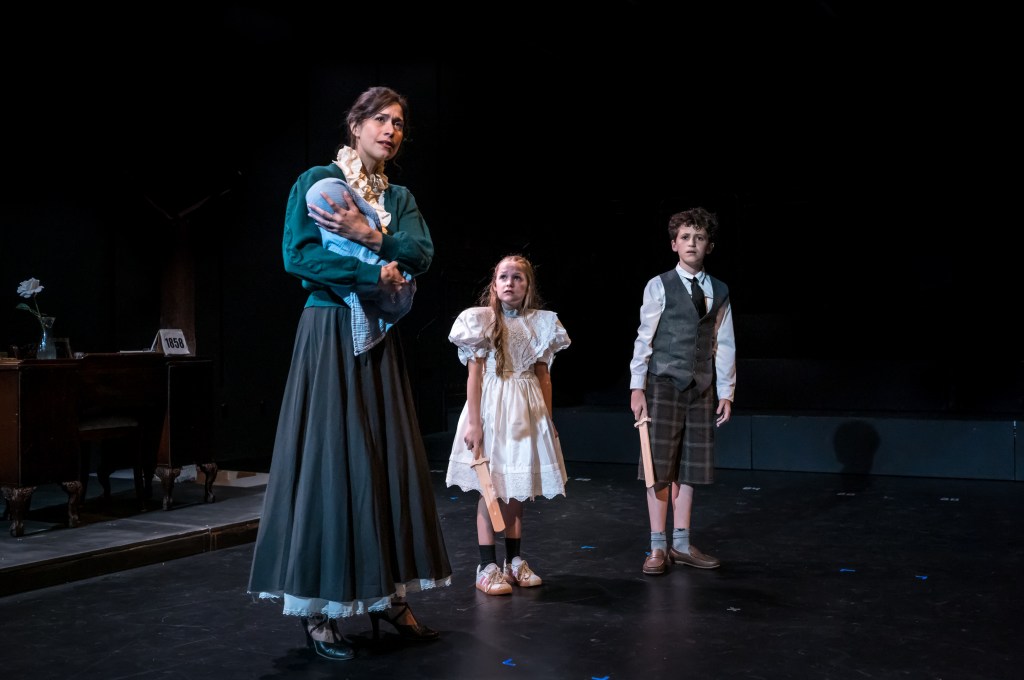
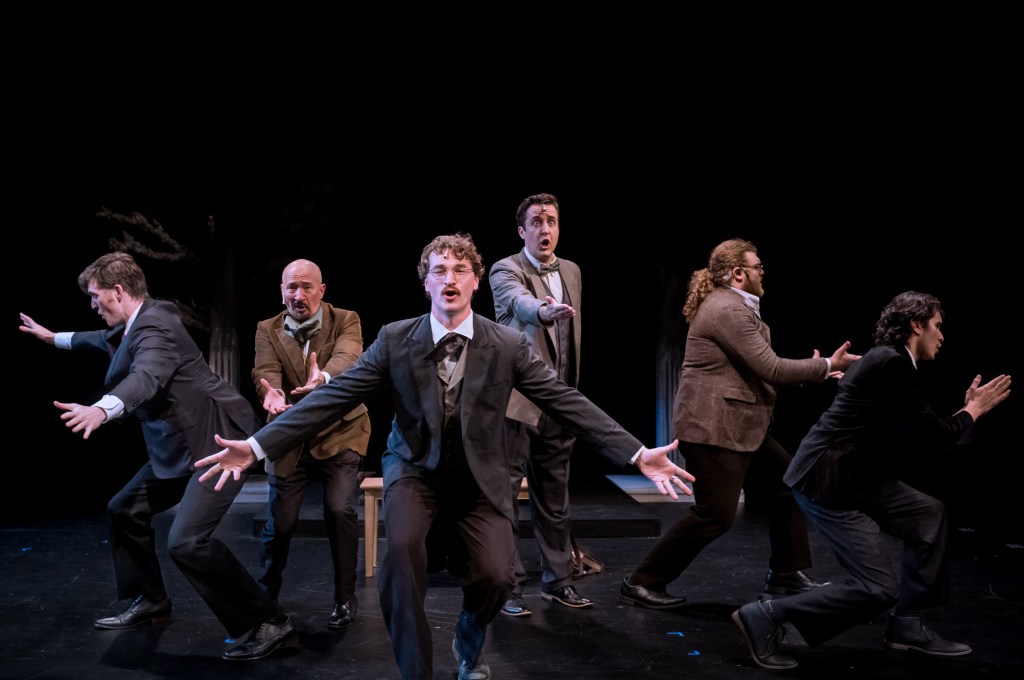
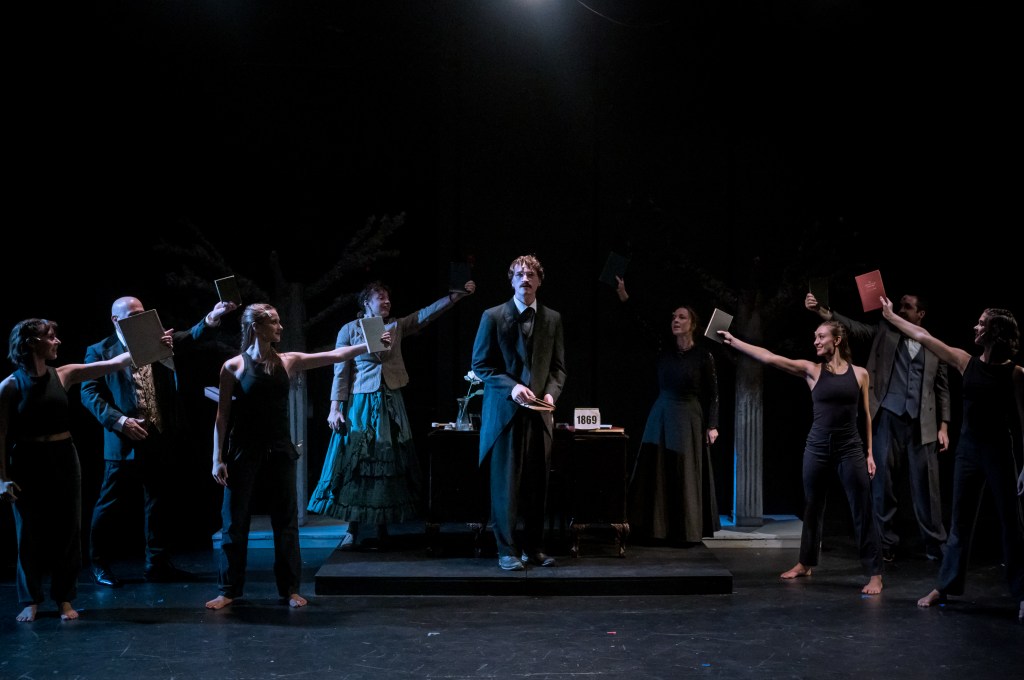
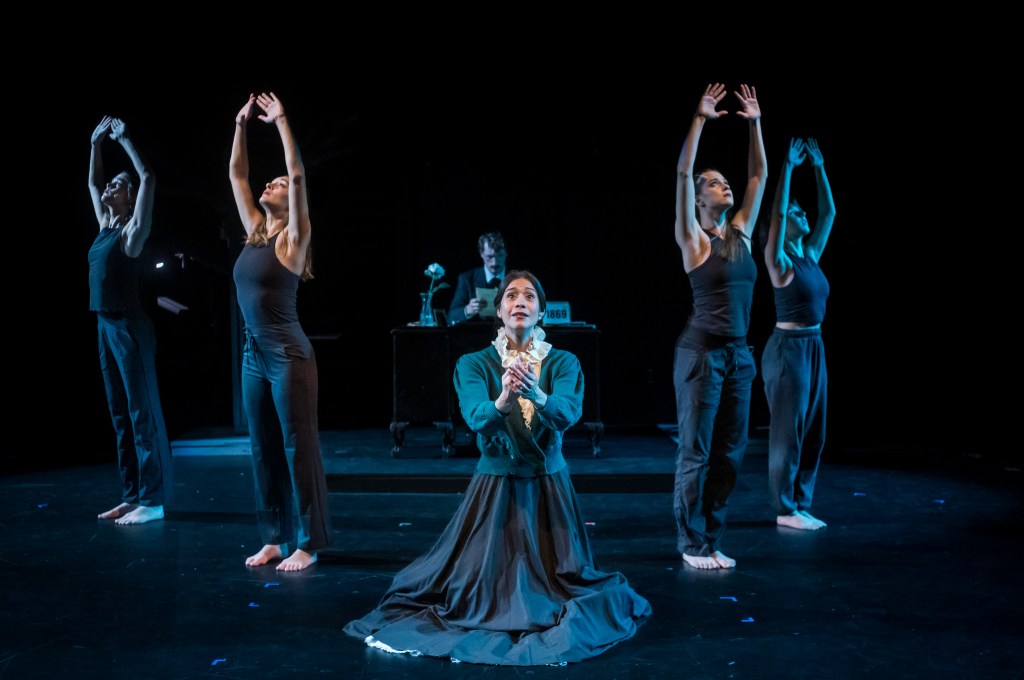
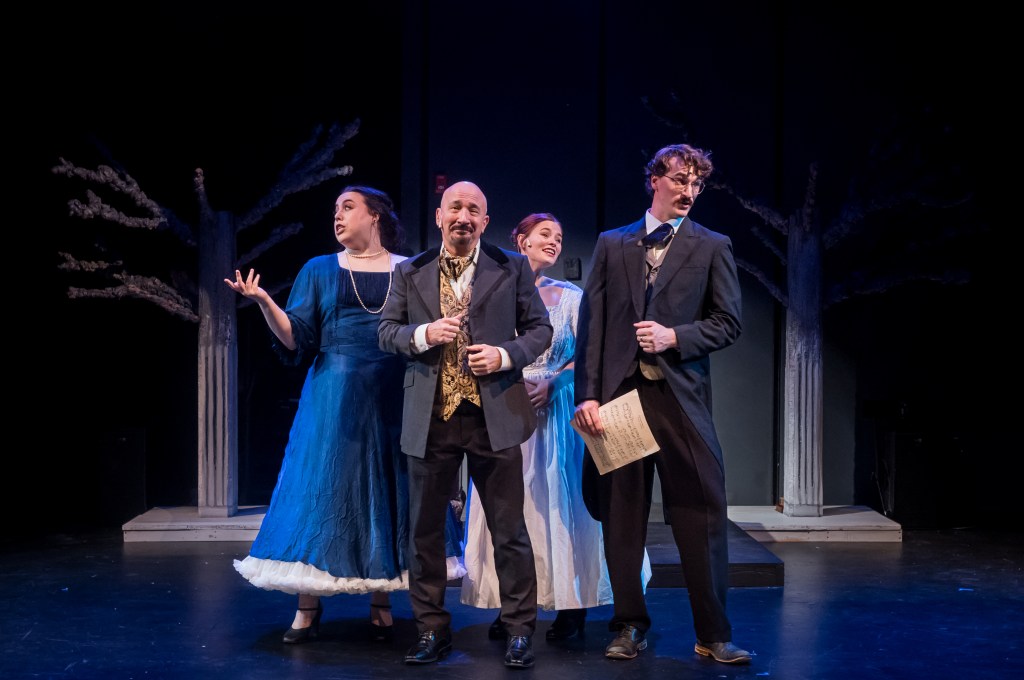
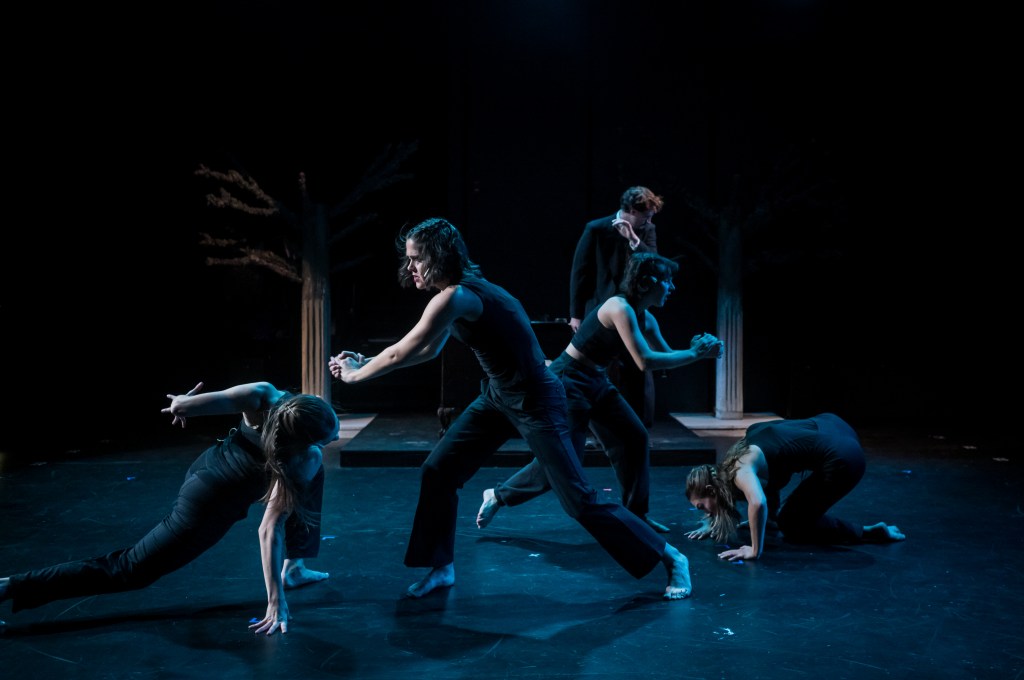
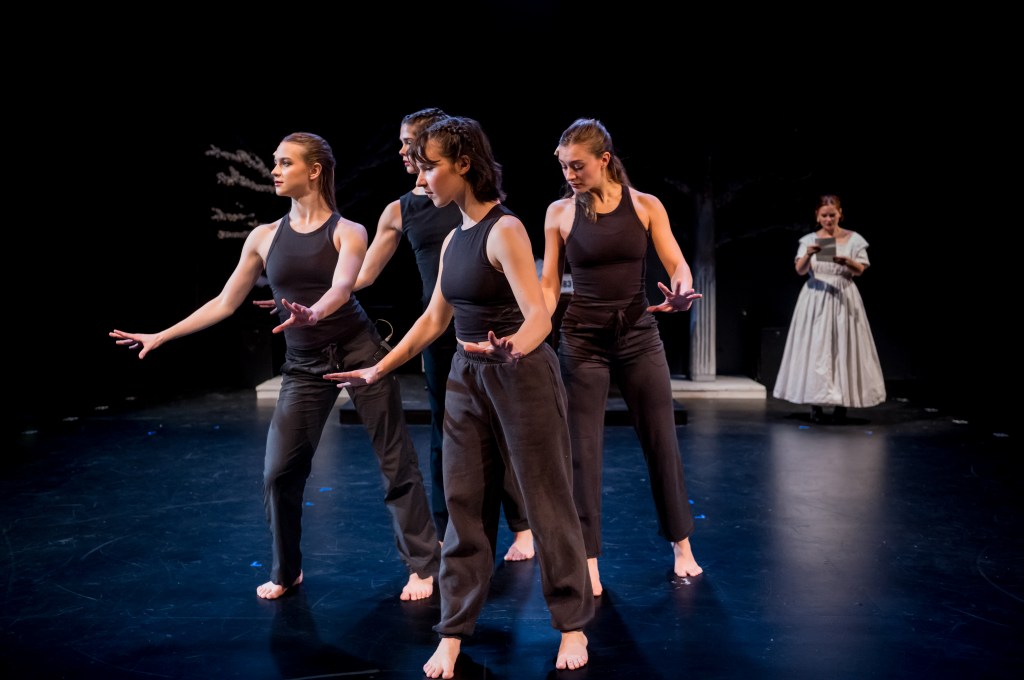
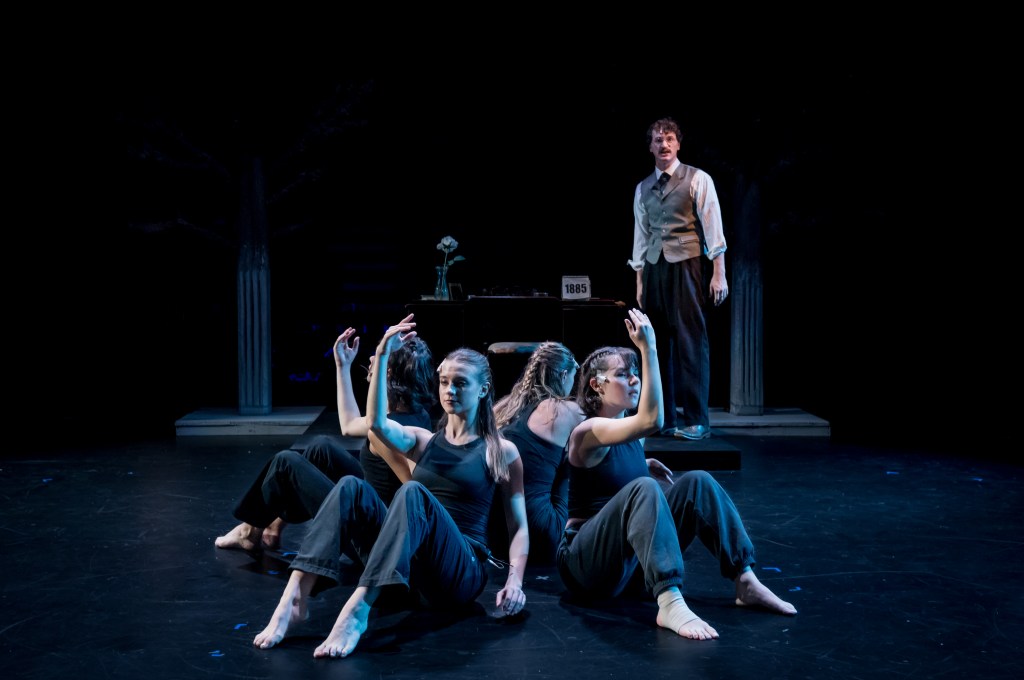
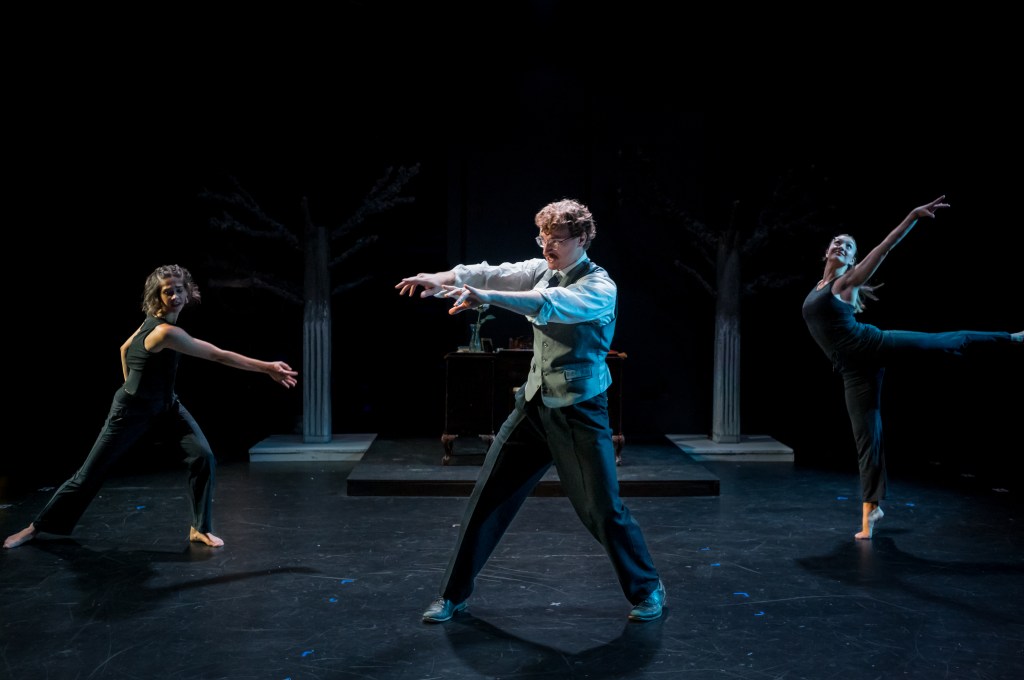
In the meantime, enjoy these beautiful production photos of director Liz Bealko’s formidable staging and my choreography, taken by John Beier @johnfromjohns.
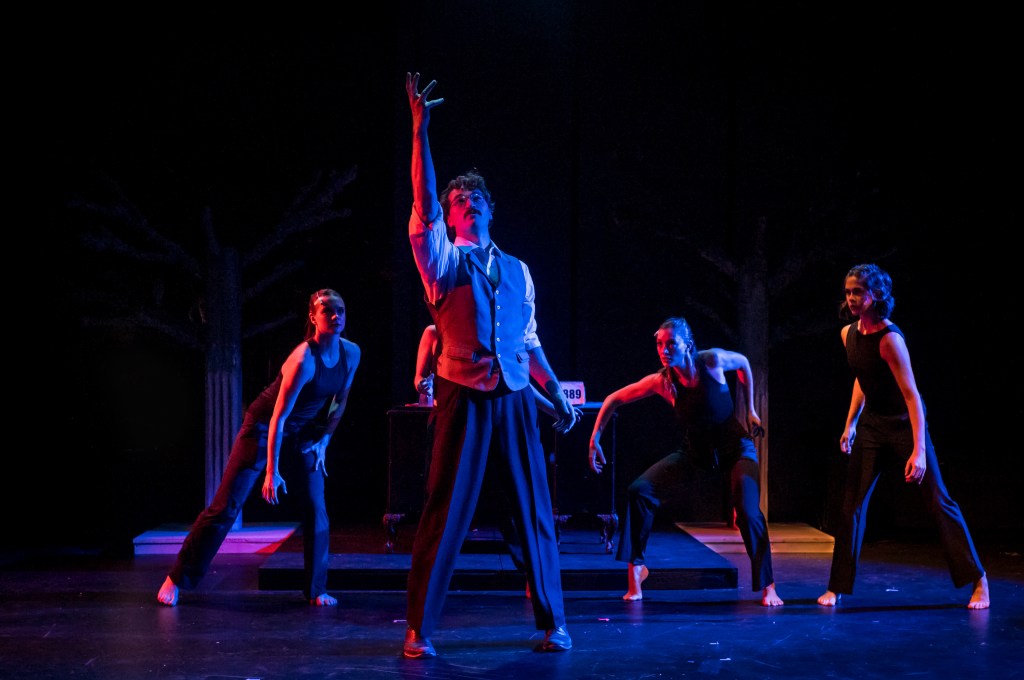
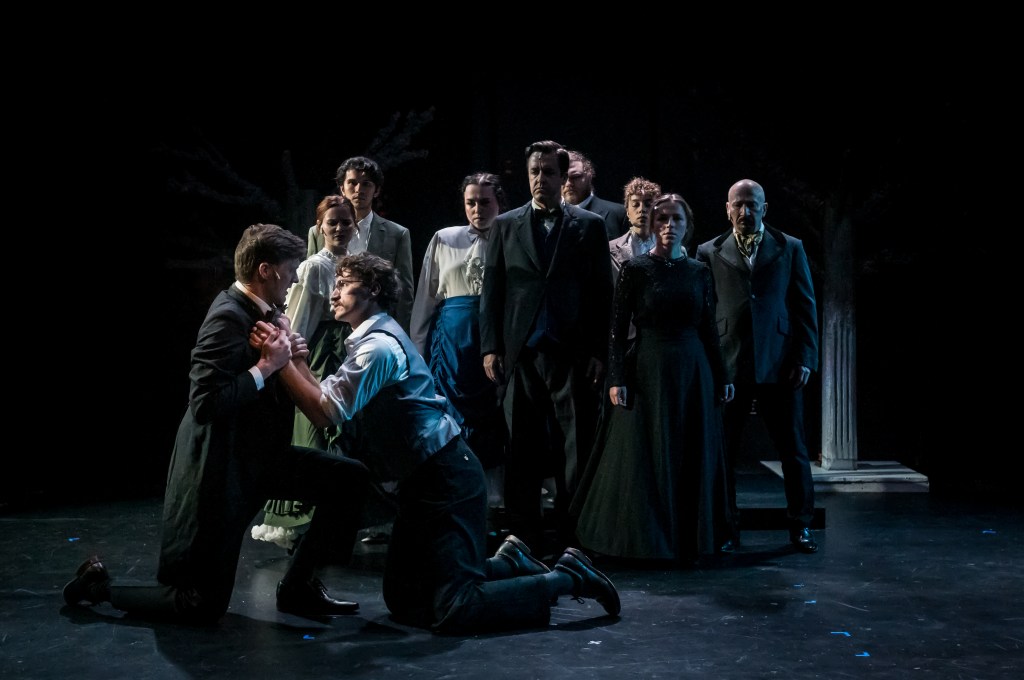
RESPONSES

“It was a beautifully layered piece and I enjoyed the storytelling and the breadth of it. I look forward to thinking about it and turning it over. And the music was delicious!” – M. Duffield

“The musical thankfully avoids an overly tragic end and does not venture into the melodrama of nihilistic despair… Nietzsche, or “Fritz,” is first and foremost a human being… Fritz, who is very convincingly played by Will Paddock, is an enthusiastic and occasionally exuberant young man who is at the same time conflicted and shy… The viewer is made to feel for him.” — The Agonist

“Female energy is… present throughout the whole play with four dancers, who constantly enter and exit the scene, adding musicality and movement to the personal and intellectual disputes… In popular culture, there is… often a certain heroism associated with Nietzsche, especially with the Ubermensch, who is always, seeming unavoidably, male. Contrary to it, the dancers represent ever-flowing emotions, a ground of existence deeper than rationality, which is much more in tune with Nietzsche’s own view of human existence.” — The Agonist

“We were so damn impressed!!! It was so smart and entertaining. You are able to translate philosophical thought so well without losing the underlying complexities. Of course you’ve been doing that over decades but I think it’s particularly challenging in a song+dance form! Your creativity is so inspiring. And loved *loved* watching Kyra [as Lou Salome], who was absolutely terrific. I hope you are getting the raves you deserve and that the show has a future!!” – J. Foulkes, Professor, New School

“Much of the country is involved in a spiritual revolution, not necessarily reported on the mainstream media. Your work touches that. In fact your work bespeaks that same type of hope. God works in mysterious ways.” — J.K.

“In telling the story of Nietzsche in large part through the women that made the popularization of his works possible, you beautifully revealed both the intimacies that illuminated his ideas, and the inherent relationality of philosophy (and of life!)…. I was also so struck by how you portrayed his relationship to dance. It is one thing to read about a philosopher who was enticed by the idea of movement, and another to witness a young man truly seduced by the prospect of embodied freedom. I was left with the simple feeling that a free life is a dancing life.” – P. Whitehead-Bust

Nietzsche at the Brooklyn Art Haus! Tonight and tomorrow. We are delighted to share music from our musical with the help of this talented group.

More news coming very soon!

The Women in his Life (Why Write a Musical about Nietzsche? Part 2)

“However far man may extend himself with his knowledge, however objective he may appear to himself—ultimately he reaps nothing but his own biography.”

— Friedrich Nietzsche, Human All Too Human (#513)

Friedrich (Fritz) Nietzsche wrote that people’s values and beliefs are informed by their personal, bodily existence; philosophy is always, to some extent, autobiography.

His own work is no exception, especially when it comes to women.

Fritz’s written remarks about women are often cryptic, and range from seemingly backwards and misogynistic, on the one hand, to perceptive and even progressive on the other. Not surprisingly, his actual relationships with women were… complicated.

Our musical tells Fritz’s story as a series of flashbacks that occur in the midst of a heated argument between two of these women: Lou Salomé, a Russian intellectual, and Elisabeth Nietzsche, Fritz’s younger sister. Fritz loved both of these women, and they each loved him. Yet they couldn’t stand one another. Each was convinced that the other completely misunderstood both the man and his work. The dynamics that unfolded between them during and after Fritz’s life shaped his legacy – and precipitated the need for this musical.

Lou. Fritz met Lou when he was 36. She was 21, newly emigrated from Russia, and keen to study theology and philosophy. After a few meetings – marked by intense philosophical banter – Fritz proposed to Lou, once, twice, and maybe even three times. Each time she said no. Lou wanted to live an independent life as an intellectual. Instead she invited Fritz to share lodgings with her and a third man, Paul Rée, as part of a literary salon. Fritz said yes.

Elisabeth. At the time, Elisabeth, Fritz’s younger sister by two years, was 34, unmarried, enamored of her brother, and horrified by Lou’s casual freedoms. Elisabeth took it upon herself to sabotage the trio’s plans. She wrote toxic letters to Fritz, Lou, Paul, Paul’s mother, Fritz’s mother, and others, decrying Lou as an evil, immoral opportunist.

Not only did Elisabeth succeed in her aim, over the following two years, she fell in love with Bernhard Forster, an avid anti-Semite, and moved to Paraguay to found a colony for the pure German race. In large part due to her actions, the German nationalists began to consider Fritz as one of them. He was horrified.

After Fritz went insane, Elisabeth returned from Paraguay to take over her ailing brother’s estate, and allied his books with the nationalist agenda he abhorred.

Two years later, Lou wrote and published the first intellectual biography of Friedrich Nietzsche, determined to counter the barrage of misunderstandings and “fake news” that had begun to circulate about his life and his work.

Yet, the more I read about these two women, the more I realized that the story of their relationship is not just a quarrel over a man’s heart – or his legacy. Fritz’s bond with each of these women was fundamental – even constitutive – of his philosophical project. Each relationship was a source of both profound joy and heart-crushing sadness. Each of these women provided Fritz with the occasion and the desperate need to articulate and commit himself yet again to the most enduring theme of his philosophy: his radical love for life.

How did he do it?

The question drives this musical. In the face of loss and betrayal, how did Fritz manage his own turns of affirmation – how did he say yes to his own life? And how should we?

What better way to address these questions than by evoking the matrix of personal relationships out of which his philosophy grew, using the full sensory complement of word, song, and dance?

Why Write a Musical About Nietzsche? (The first three reasons.)

Surprising though it may sound, there are many reasons to write a musical about a notorious white, male philosopher who went insane at age forty-four.

1. A relevant life.

Though Friedrich Nietzsche (1844-1900) lived in the second half of the nineteenth century, he wrestled with the very same societal prejudices that continue to harm people around the world today, every day – including anti-Semitism, Christian imperialism, and xenophobic nationalism.

For Nietzsche, moreover, these prejudices were not simply academic. They confronted him in the words and actions of people he loved: his sister. His mother. His surrogate father, the composer Richard Wagner.  Nietzsche was appalled.

Much of his writing, especially the later works, was driven by his intense need to excavate the sources of such prejudices – to unmask the hatred, anger, and bitterness that animate them – and to do so in such a way that alternative paths appear.

He urged readers to create new values that affirm life, and, in the words of Nietzsche’s alter-ego, the fictional Zarathustra, “remain faithful to the earth.”

Now, today, we need Nietzsche’s insights more than ever.

2. A dancing life.

Throughout his writing, from his first book to his last, Nietzsche uses the image of dancing to describe the practice and the fruit of resisting hatred and affirming life.

As Nietzsche describes, he wanted to write books that would teach people to dance – that is, teach people how to cultivate a vibrant, sensory joy that overflows in a capacity to love life — all of it.

A model for this kind of dance, as he sees it, was present in the tragedies of ancient Greece, where the chorus danced and sang at key moments in the drama. According to Nietzsche, this dancing and singing evoked in the spectators a sense of their own visceral connection with the elemental rhythms of nature. Spectators were able to witness the failure or death of a hero and nevertheless, leave the theater suffused with joy and love for the ongoing generativity of Life.

What better way to advance Nietzsche’s message of affirmation than through musical theater — Greek tragedy’s singing-dancing-acting, modern-day heir?

3. An unfinished life.

Days before his mental break, Nietzsche was planning his next work – his complete revaluation of values. He never had a chance to finish it. For the next forty-six years, in a great irony of history, Nietzsche’s sister controlled his legacy, misrepresenting him and his work as sympathetic to the very anti-Semitic, imperialist, nationalist values he rejected. His story needs to be told.

What better way to reassert the truth of Nietzsche’s perspective than by providing an opportunity to experience the tragedy of his brief life as a reason to continue the work he began – and love life even more? Singing and dancing all the way!

Effecting this kind of transformation is exactly what musical theater can do.