
What a joy it was to witness Nietzsche surge to its feet this past October in an Off-Broadway Theater in New York City!
Over 30 artists collaborated to create a “a total artwork on a small scale, as it brought poetry, song, dance and music together” (The Agonist).
All four shows were all (or nearly) sold out, and the audiences were on their feet as soon as the curtain calls began. Geoffrey and I were thrilled and delighted with how the cast came together to bring this story to life, and grateful to Off-Brand Opera for helping it happen.
One pair of reviewers summed up our feeling: “We look forward to a bigger production where more stories from Nietzsche’s life can be included with a bigger ensemble of musicians and a wider stage for dancers’ broader and freer movements” (The Agonist).
Yes, please! Stay tuned.
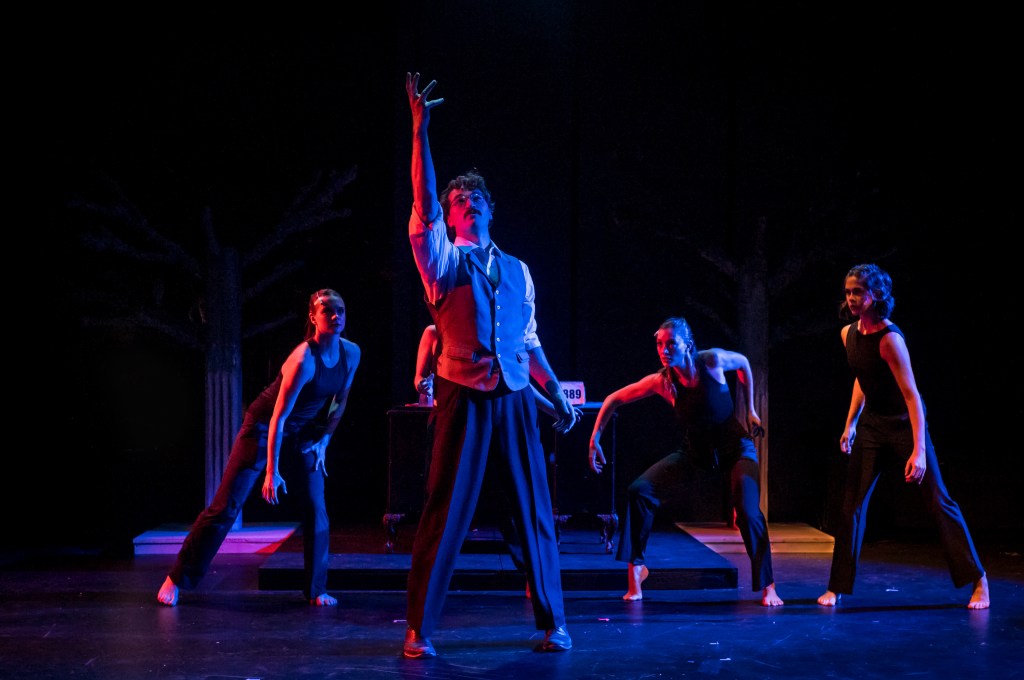
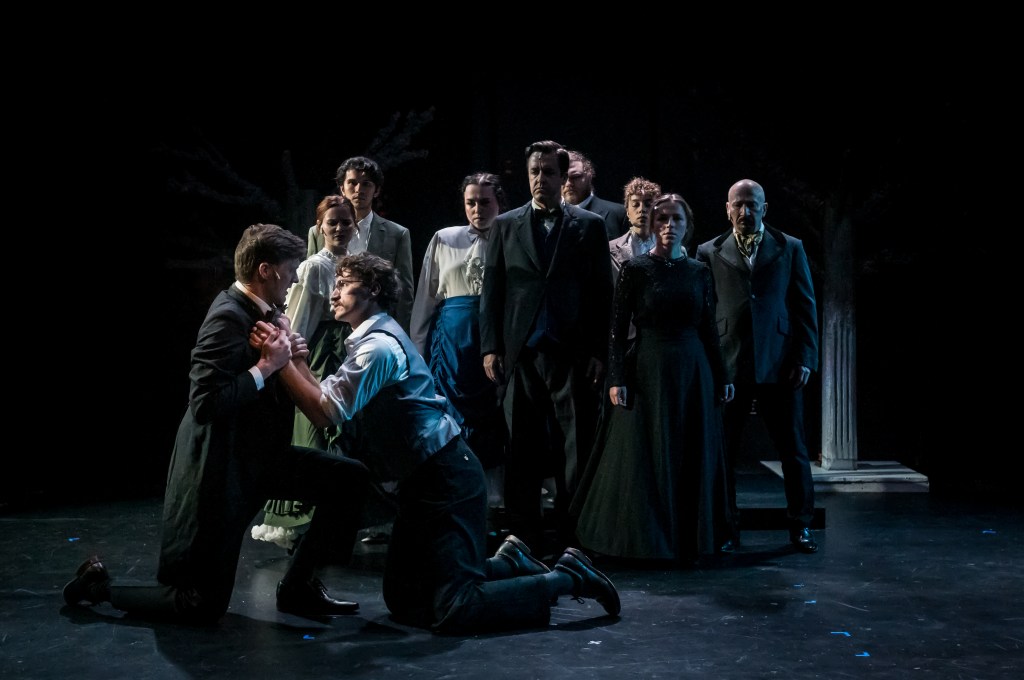
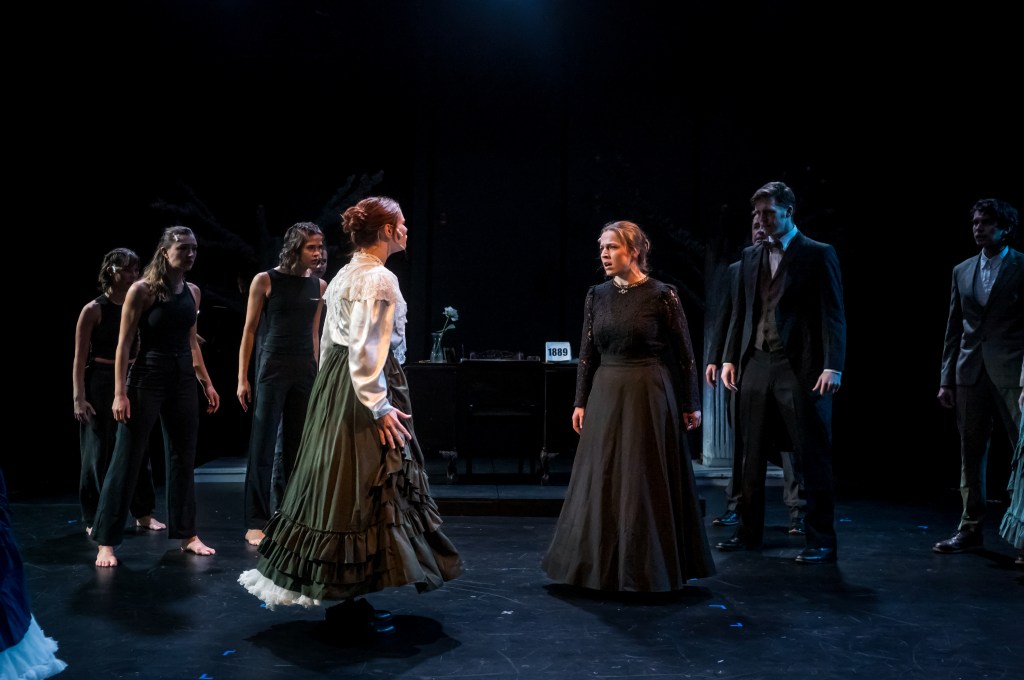
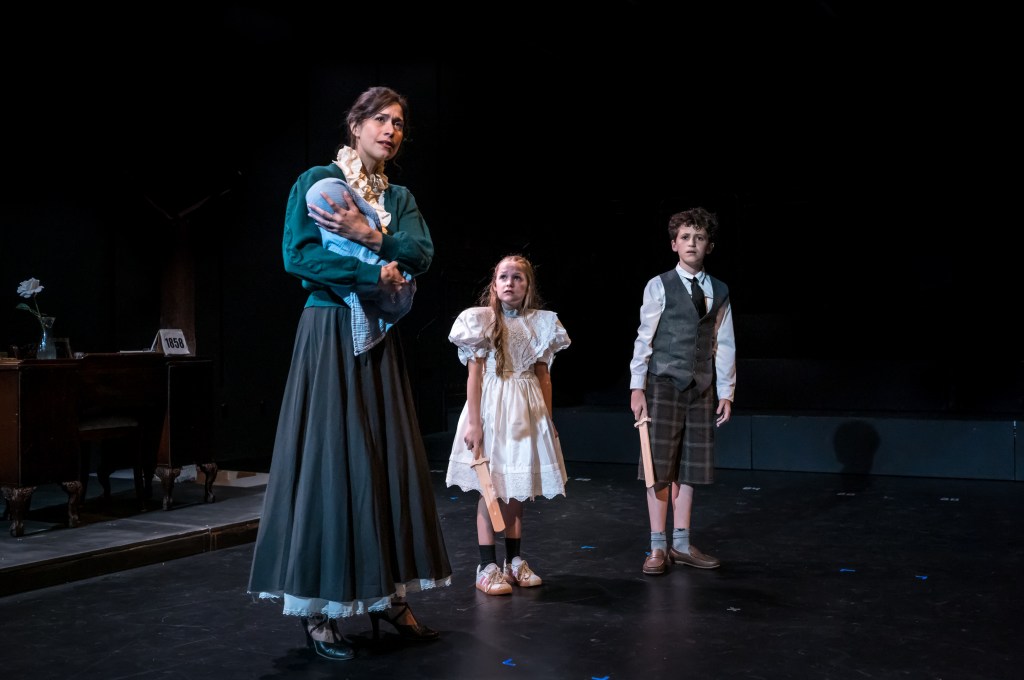
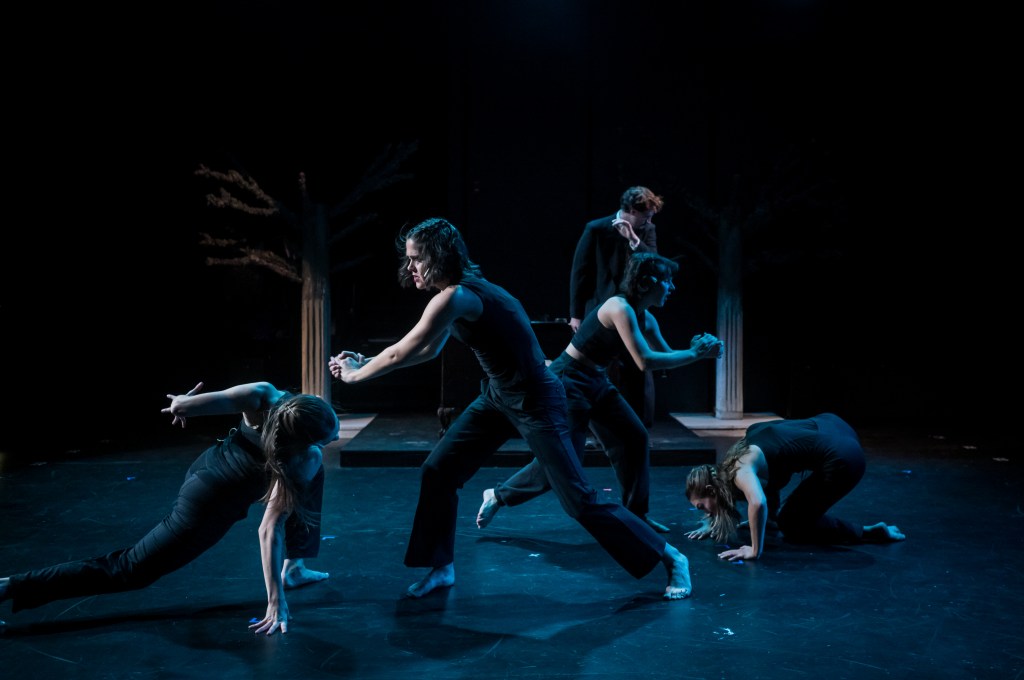
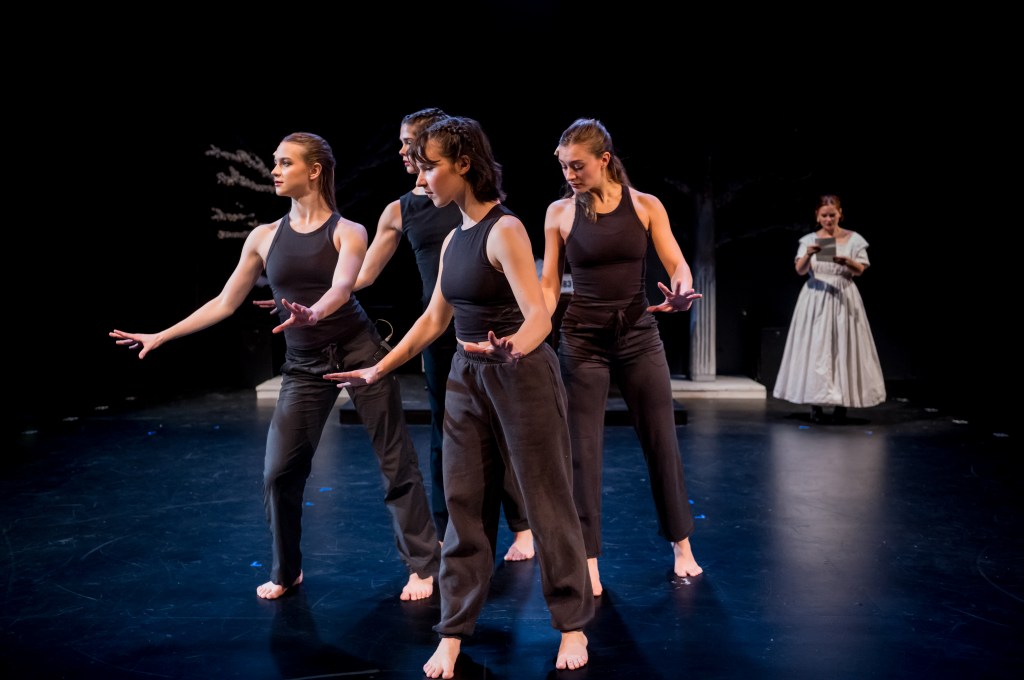
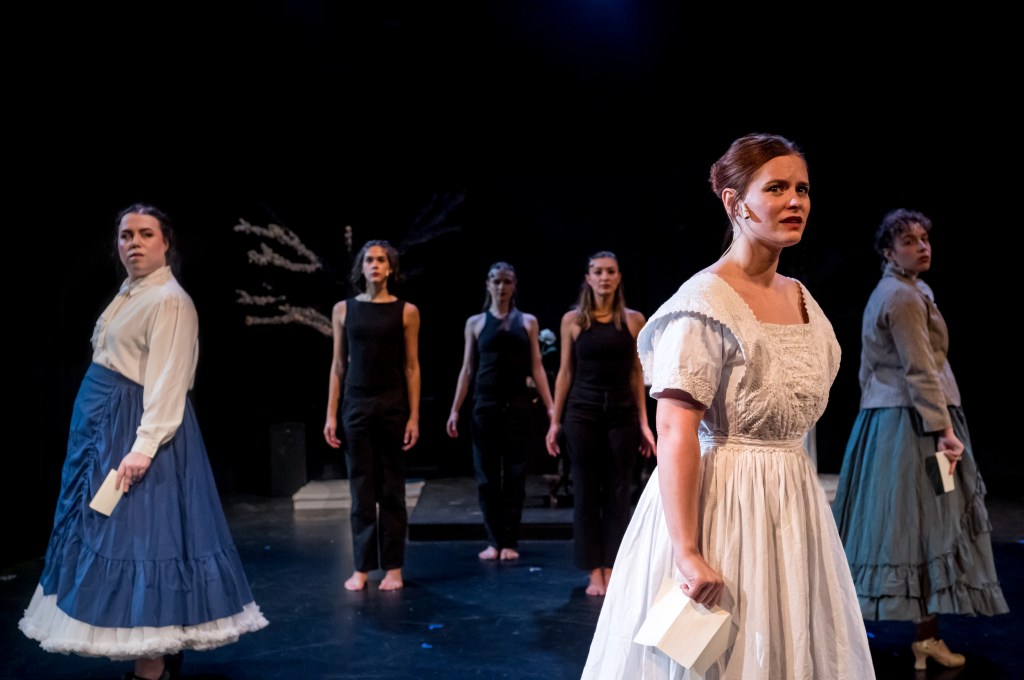
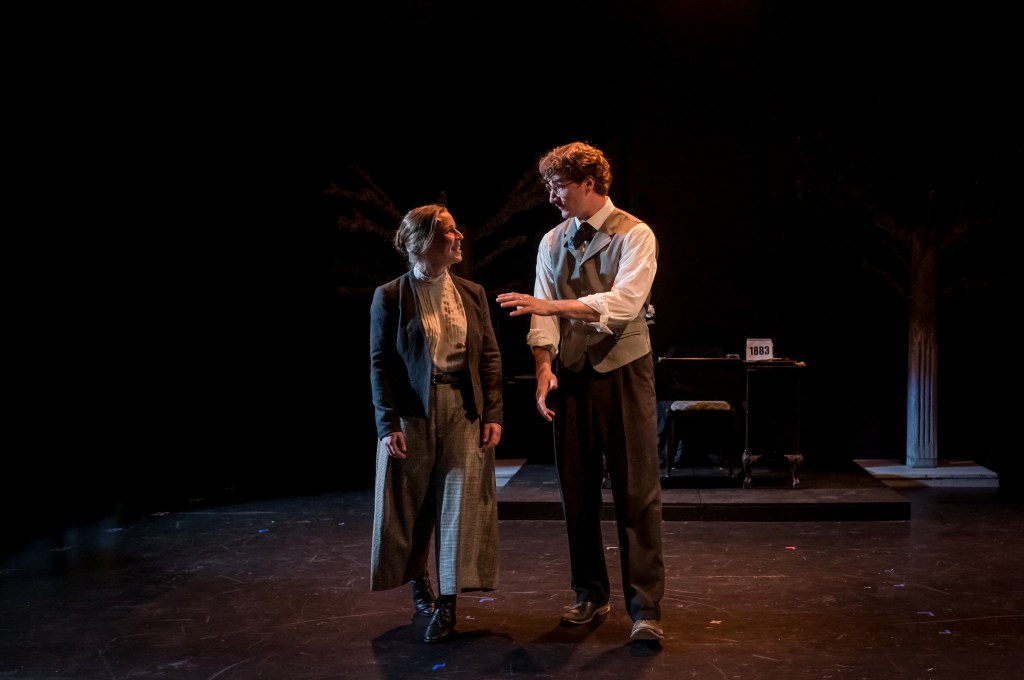
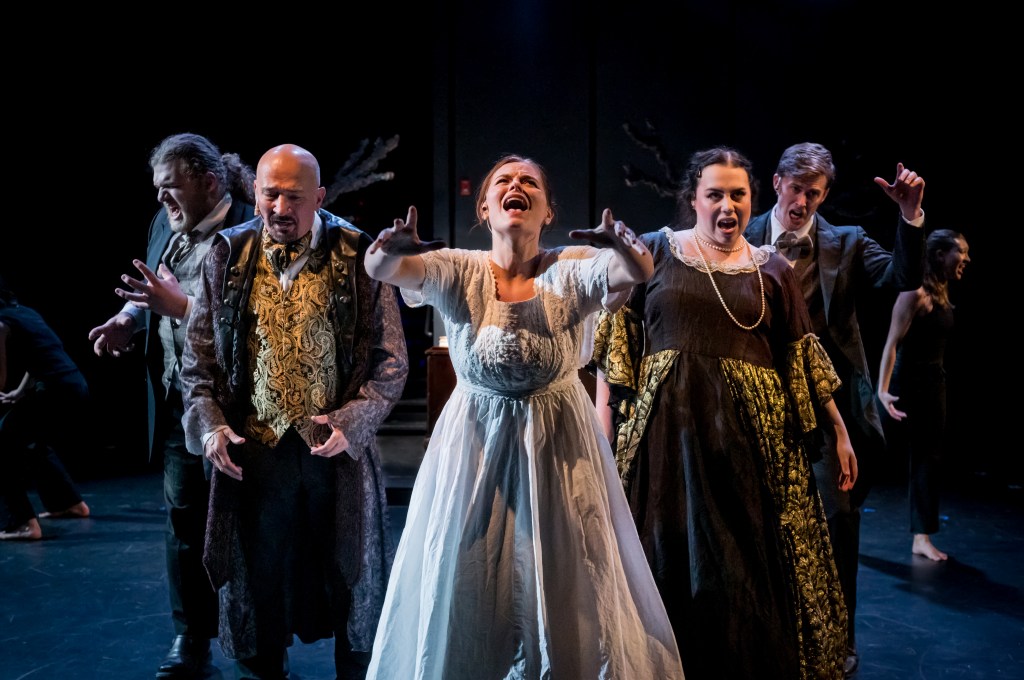
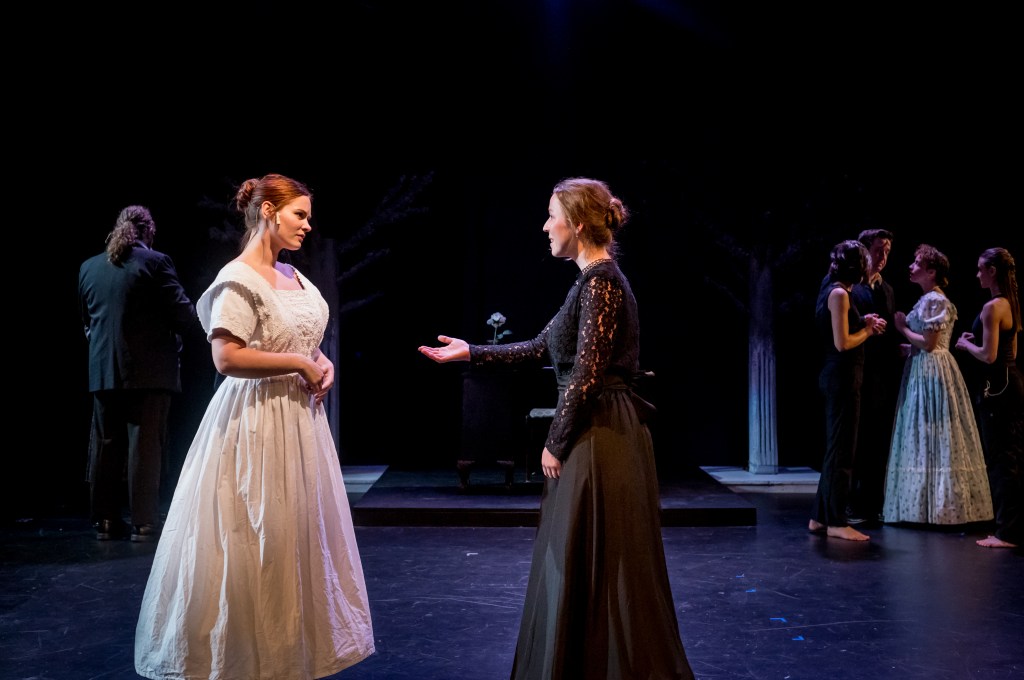
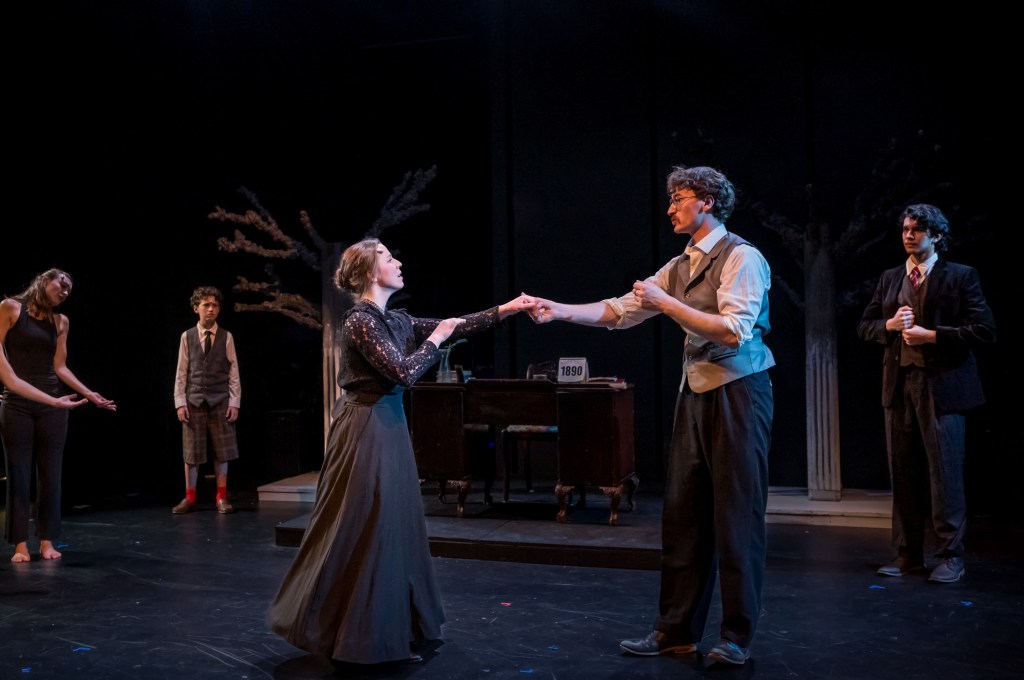
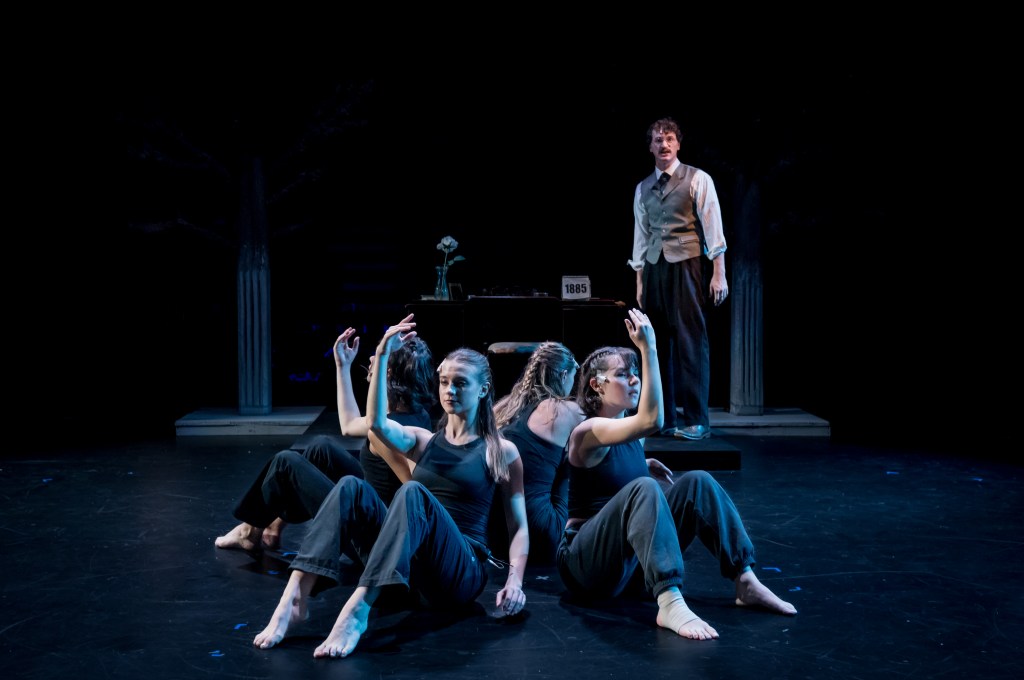
In the meantime, enjoy these beautiful production photos of director Liz Bealko’s formidable staging and my choreography, taken by John Beier @johnfromjohns.
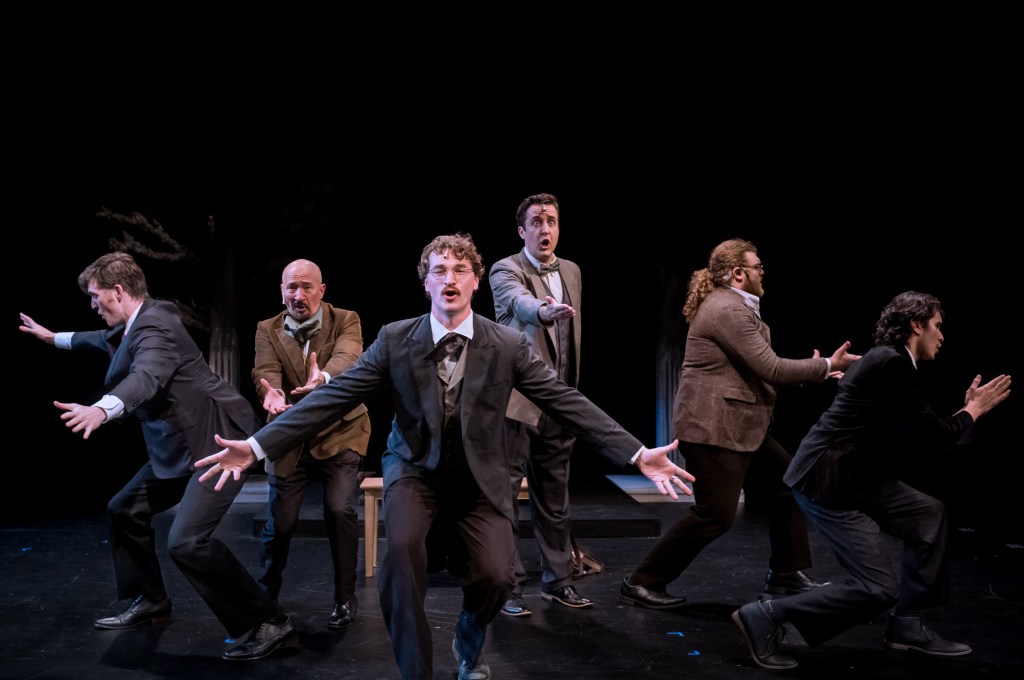
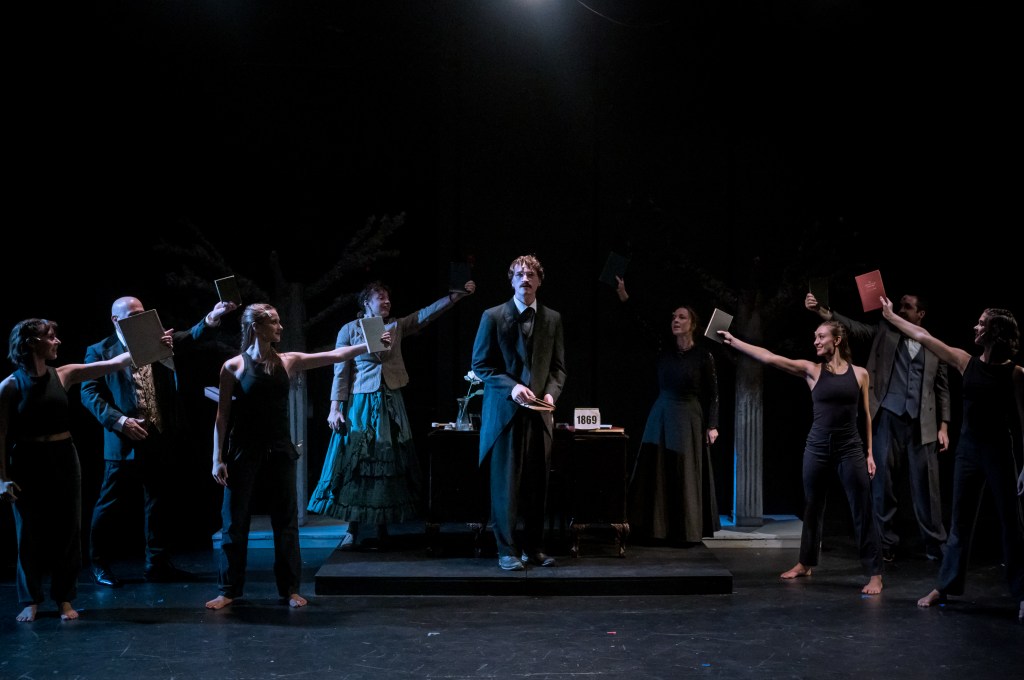
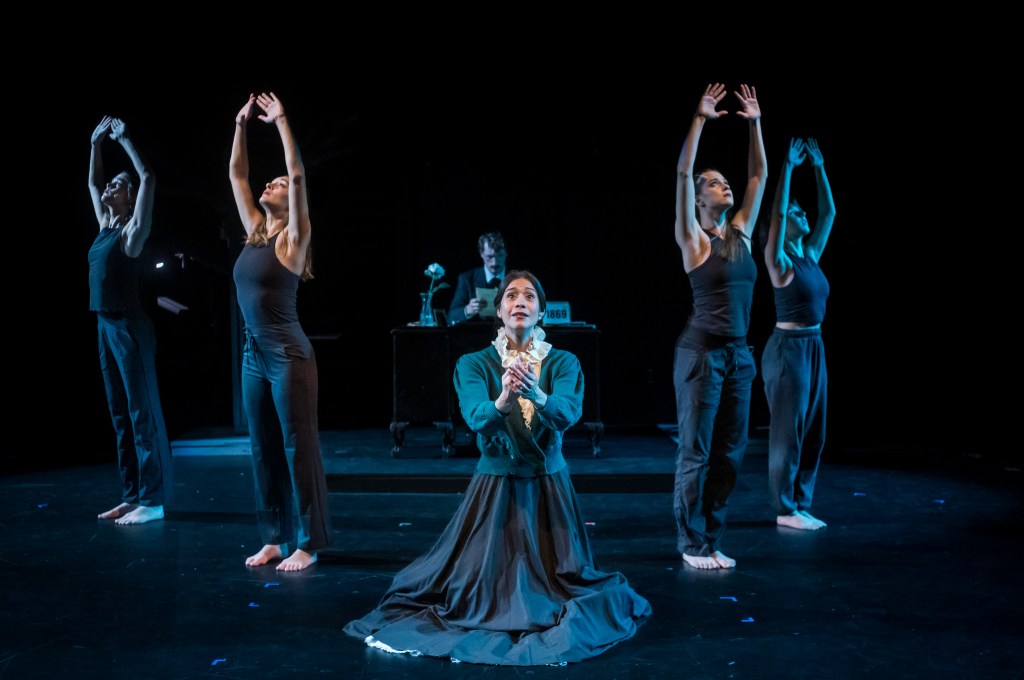
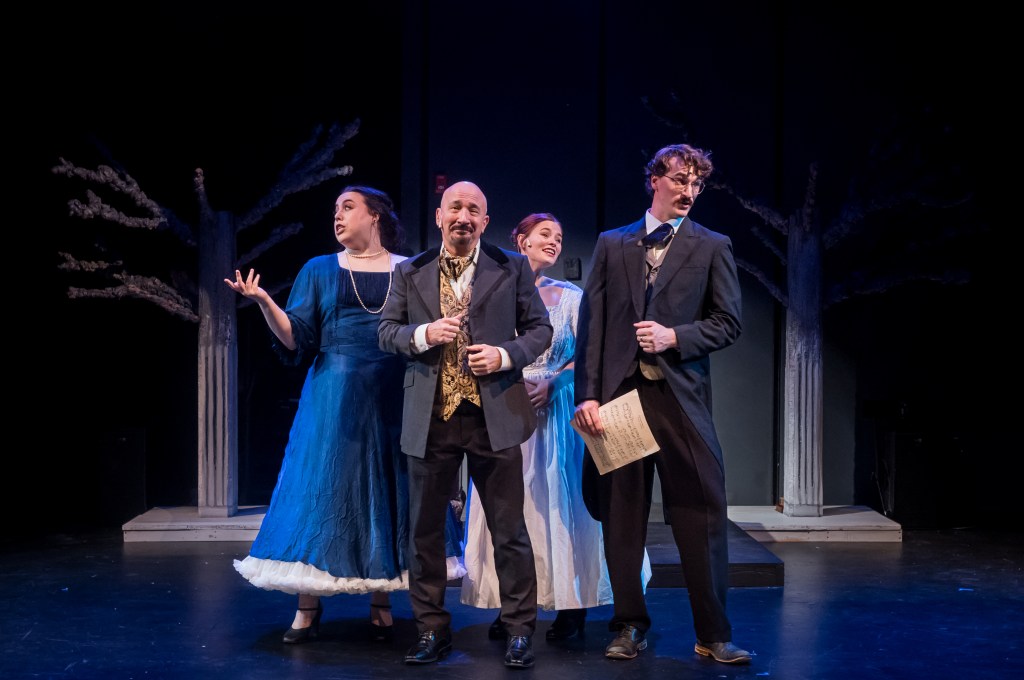
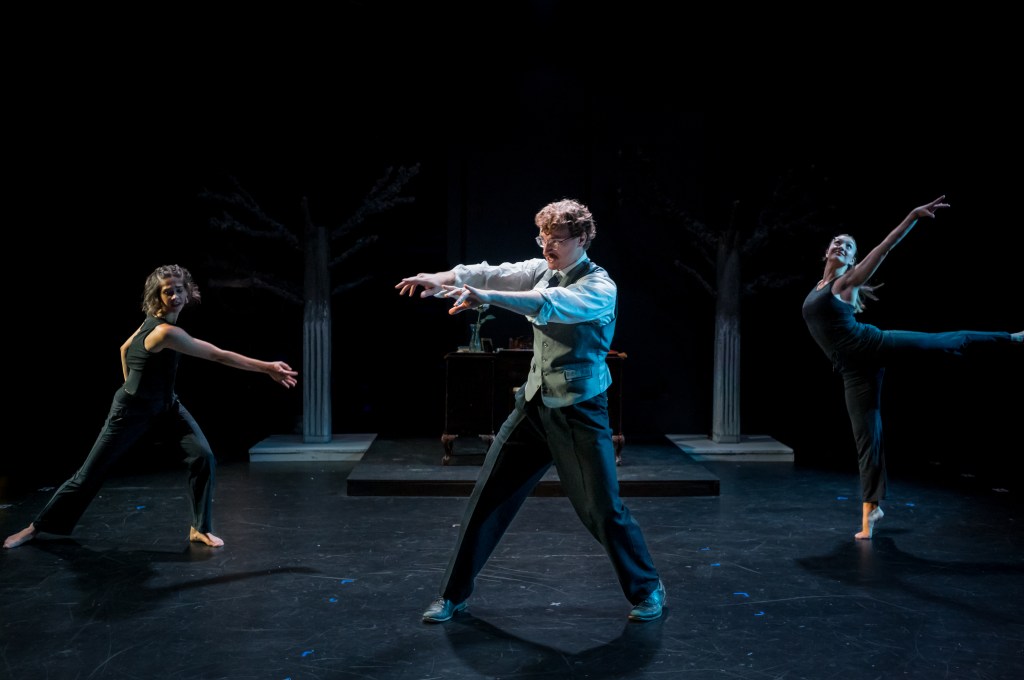
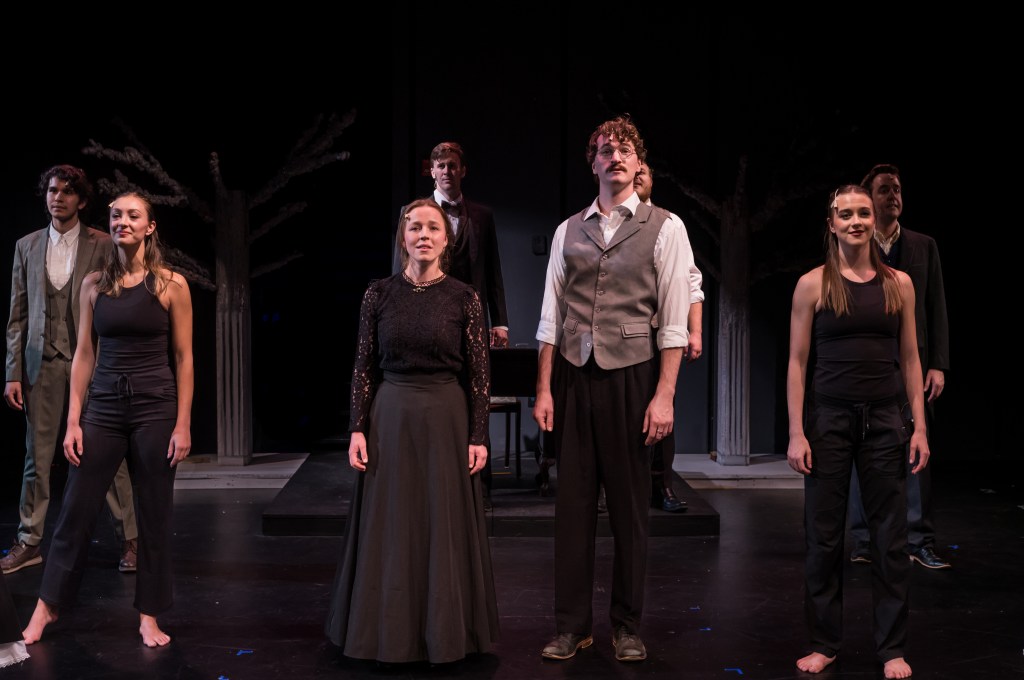
RESPONSES
“It was a beautifully layered piece and I enjoyed the storytelling and the breadth of it. I look forward to thinking about it and turning it over. And the music was delicious!” – M. Duffield
“The musical thankfully avoids an overly tragic end and does not venture into the melodrama of nihilistic despair… Nietzsche, or “Fritz,” is first and foremost a human being… Fritz, who is very convincingly played by Will Paddock, is an enthusiastic and occasionally exuberant young man who is at the same time conflicted and shy… The viewer is made to feel for him.” — The Agonist
“Female energy is… present throughout the whole play with four dancers, who constantly enter and exit the scene, adding musicality and movement to the personal and intellectual disputes… In popular culture, there is… often a certain heroism associated with Nietzsche, especially with the Ubermensch, who is always, seeming unavoidably, male. Contrary to it, the dancers represent ever-flowing emotions, a ground of existence deeper than rationality, which is much more in tune with Nietzsche’s own view of human existence.” — The Agonist
“We were so damn impressed!!! It was so smart and entertaining. You are able to translate philosophical thought so well without losing the underlying complexities. Of course you’ve been doing that over decades but I think it’s particularly challenging in a song+dance form! Your creativity is so inspiring. And loved *loved* watching Kyra [as Lou Salome], who was absolutely terrific. I hope you are getting the raves you deserve and that the show has a future!!” – J. Foulkes, Professor, New School
“Much of the country is involved in a spiritual revolution, not necessarily reported on the mainstream media. Your work touches that. In fact your work bespeaks that same type of hope. God works in mysterious ways.” — J.K.
“In telling the story of Nietzsche in large part through the women that made the popularization of his works possible, you beautifully revealed both the intimacies that illuminated his ideas, and the inherent relationality of philosophy (and of life!)…. I was also so struck by how you portrayed his relationship to dance. It is one thing to read about a philosopher who was enticed by the idea of movement, and another to witness a young man truly seduced by the prospect of embodied freedom. I was left with the simple feeling that a free life is a dancing life.” – P. Whitehead-Bust
 NIETZSCHE - The Musical